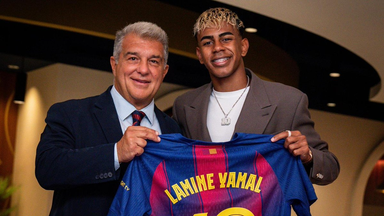


As Spain completed their triumphant victory parade through Madrid and international players returned to their respective clubs, the curtain officially fell on the story of the 2026 FIFA World Cup. This summer in North America created countless unforgettable memories for football fans around the globe. CamelLive has curated ten defining moments—see which ones anchor your own memories of the tournament.
10. Fierce Hosts: A North American Football Tsunami
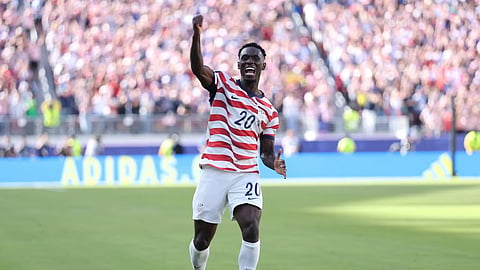
Under the roaring stands of the Estadio Azteca and the glowing lights of SoFi Stadium, co-hosts Mexico, the United States, and Canada displayed unprecedented home intensity. Underrated prior to the tournament, all three host nations proved fiercely competitive on the world stage. Mexico turned the Azteca into a nightmare for visiting teams with their relentless high press; a vibrant young USMNT captivated audiences in the knockout rounds; and Canada defended northern honor with high-tempo physical resilience. No longer mere background figures, their fierce performances unleashed a football tsunami across the entire continent.
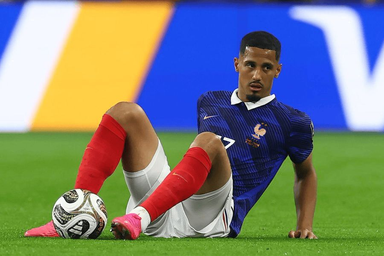
9. Deschamps' Glorious Farewell and Sportsmanship in the Bronze Final
In the third-place match at Hard Rock Stadium in Miami, France and England combined for a historic 10-goal thriller, ending in a 6–4 scoreline. Bukayo Saka netted a stunning hat-trick, while the match served as the swan song for iconic manager Didier Deschamps after twelve years at the helm of Les Bleus. Following the final whistle, Kylian Mbappé shared a warm farewell embrace with the commander who had guided France to a World Cup title and a runners-up finish during his tenure.
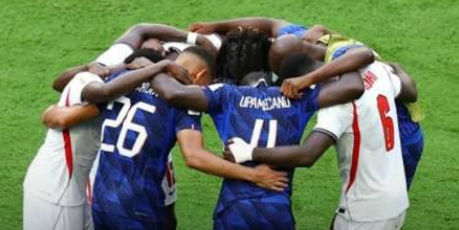
As time expired, players from both sides set rivalry aside to embrace and bid farewell to a memorable tournament. Christian players including Dayot Upamecano, Trevoh Chalobah, and few players gathered in a circle at midfield in solemn prayer. Unburdened, pure, and intense, this clash showcased the deepest warmth and dignity of competitive sport.
8. 19-Year-Old Yamal and the Rise of a New Generation
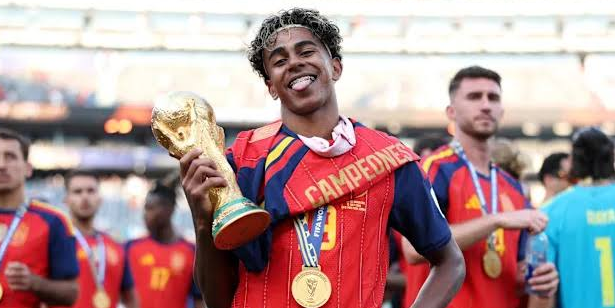
If the previous decade was defined by the duality of Lionel Messi and Cristiano Ronaldo, the summer of 2026 marked the moment a new generation of prodigies asserted their dominance. Having just turned 19, Lamine Yamal displayed poise and vision far beyond his years on the flank, pairing with Pau Cubarsí to form the sharpest edge of Spain's tactical engine. Alongside the brilliance of teenage stars like Moroccan midfielder Ayyoub Bouaddi on the world's grandest stage, the handover of power in global football was quietly yet thunderously completed under the North American night sky.
7. A United England and Oasis's "Wonderwall"
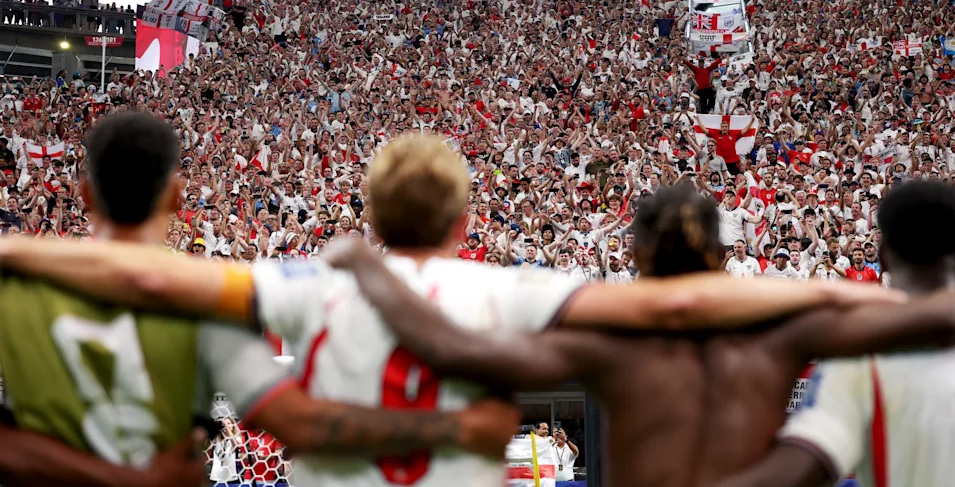
Long plagued by dressing room friction and intense media scrutiny, England demonstrated unprecedented cohesion under the stewardship of Thomas Tuchel. Whether adapting to demanding tactical shifts or battling through grueling stoppage-time minutes, the "Three Lions" fought as a unified unit. Every time the team advanced, tens of thousands of traveling English supporters joined the players on the pitch to sing Oasis's iconic anthem "Wonderwall" in unison. The resounding chorus echoed across stadiums throughout the Americas, creating one of the tournament's most romantic and unforgettable English moments.
6. Mbappé and Messi: The Historic Pursuit of World Cup Goals
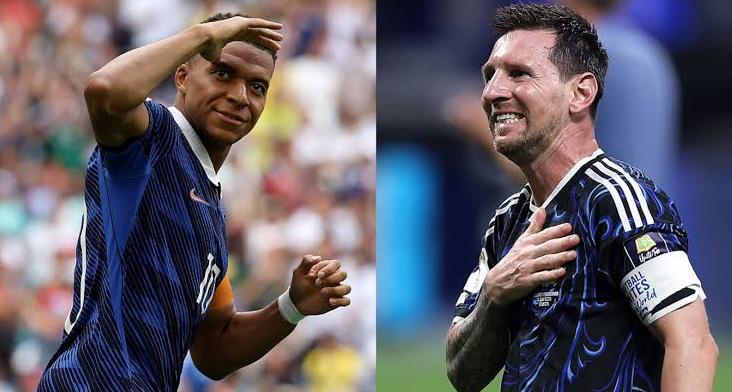
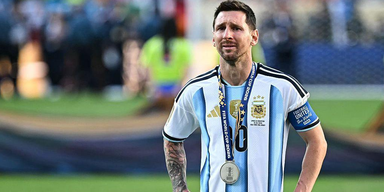
This was more than a mere tallying of numbers; it was a cross-generational dialogue between two footballing titans in the pantheon of greatness. Kylian Mbappé claimed the Golden Boot with a devastating display of attacking firepower, continuing his rapid ascent up the all-time World Cup scoring charts. Meanwhile, 39-year-old Lionel Messi consolidated his legendary legacy with vital assists and goals—potentially his final eight goal contributions on the World Cup stage.
Their mutual pursuit in total goals and historic status formed the central narrative for analysts and pundits. Notably, Miroslav Klose's long-standing World Cup goal record was first surpassed by Messi during the second group match, before Mbappé reclaimed the top spot in the final games.
5. The Final World Cup for Legends of an Era
Time remains the ultimate undefeated opponent on the pitch. The 2026 World Cup marked the final international chapter for a golden generation, including 39-year-old Messi, 40-year-old Luka Modrić, 41-year-old Cristiano Ronaldo, and 41-year-old Mexican goalkeeper Guillermo Ochoa. Remarkably, Messi, Ronaldo, and Ochoa earned the distinction of featuring in six separate World Cup tournaments—a record testifying to their extraordinary longevity. In the stands, fans held up banners reading "Gracias," turning every substitution into a poignant farewell to an era. Their twilight brilliance illuminated the North American skies, bringing emotional tears to millions of fans who grew up watching them.
4. Argentina's Controversial World Cup Campaign
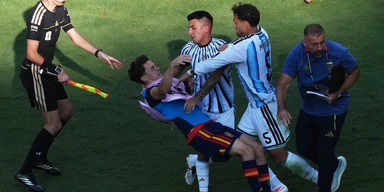
As defending champions, Argentina's journey was defined by steel, intense physicality, and relentless tactical pragmatism. From a flawless group stage to a grueling 120-minute battle against Cape Verde, followed by gritty comeback victories over Egypt and England, Lionel Scaloni's side embodied a "win at all costs" mentality. Fierce physical challenges, multiple controversial refereeing decisions, on-and-off-pitch altercations during the England tie, Enzo Fernández's red card in the final, and post-match confrontations led by Leandro Paredes made La Albiceleste the most polarizing and talked-about team of the tournament.
3. Norwegian "Rowing" Frenzy Takes Over the World Cup
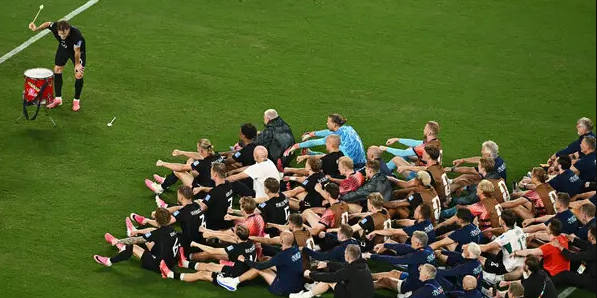
Returning to the World Cup stage after a multi-decade absence, Norway—led by Erling Haaland and Martin Ødegaard—stunned powerhouses Côte d'Ivoire and Brazil en route to a quarter-final berth. In the stadium concourses, fan zones, and even Times Square, tens of thousands of red-clad Norwegian supporters sat in synchronized rows to perform their traditional Viking "rowing" celebration.
This display of Nordic flair and humor became the tournament's most viral off-pitch spectacle. The craze swept the footballing world, elevating Erling Haaland to the most-followed player on social media during the tournament. The rowing celebration even reached the final itself, as halftime show performers mimicked the iconic gesture.
2. The Cape Verde Miracle
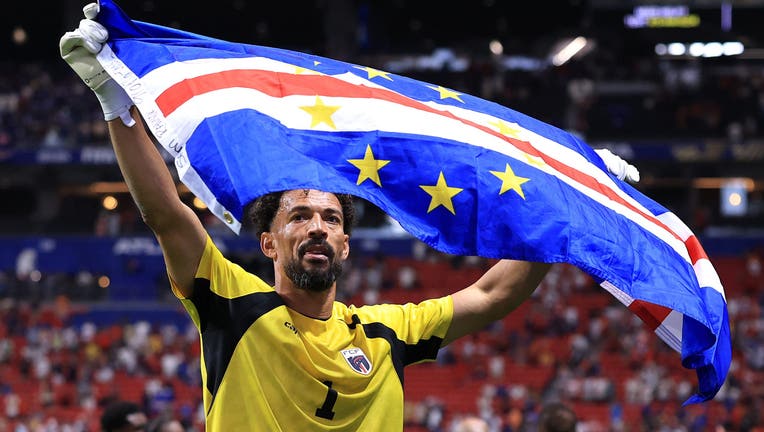
The greatest benefit of the expanded 48-team format was granting smaller, football-loving nations access to the grandest stage. Hailing from the volcanic Atlantic archipelago, Cape Verde emerged as the tournament's ultimate underdog story. Powered by resolute defensive discipline and swift counter-attacks, they surged into the Round of 32.
In their opening fixture, they held eventual champions Spain to a draw, with goalkeeper Vozinha delivering a star-making performance. They subsequently pushed defending champions Argentina into a grueling extra-time battle. At 40 years old, Vozinha demonstrated through heroic saves that age is no barrier to reaching career pinnacles. The emotional scenes of Cape Verdean players weeping in embrace after the match epitomized the romantic core of the expanded tournament: "There are no small nations in football."
1. Spain's Second Star
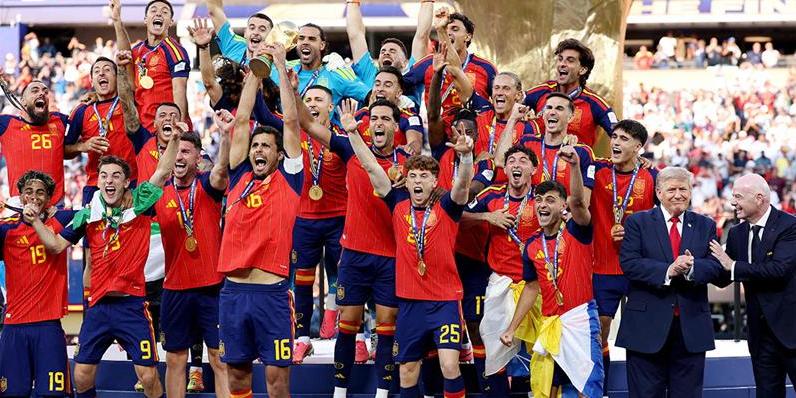
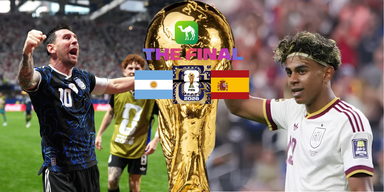
In the ultimate showdown at MetLife Stadium in New Jersey, Spain and defending champions Argentina engaged in a 120-minute masterclass of tactical chess and physical endurance. Dominating over 70% of possession, La Roja pressed relentlessly against ten-man Argentina's ferocious defensive block. The breakthrough finally arrived in the 106th minute of extra time, when Ferran Torres converted Nico Williams' precise assist to score the winning goal.
"Without a doubt, winning a trophy for your country is the greatest feeling in the world—especially the World Cup. This generation grew up watching Iker Casillas and Andrés Iniesta lift the trophy, and now we have achieved it ourselves. It is the greatest accomplishment in football."
— Rodri, Golden Ball winner and Spain captain, during the trophy presentation.
As captain Rodri raised the solid gold trophy into the New Jersey night, Spain reclaimed global supremacy for the first time since 2010, permanently stitching a second star above their crest. Securing back-to-back European and World titles, Spain's "La Roja 2.0" officially cemented its place in football history.