

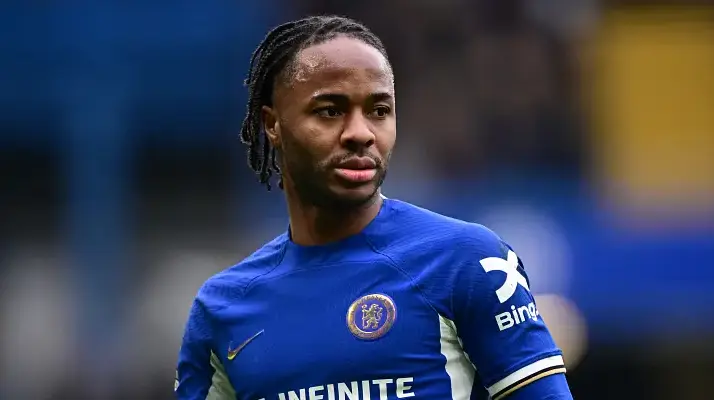
31-year-old England international Raheem Sterling appeared in court on Tuesday, pleading guilty to charges of dangerous driving and possession of nitrous oxide (laughing gas). Body-worn camera footage presented in court captured Sterling looking despondent and numb with resignation. On a bright May morning, police officers found him dressed only in a T-shirt and shorts, slumped helplessly in the passenger seat of his supercar.
Sterling later confessed to police: "I am addicted to laughing gas." Horrified morning rush-hour motorists had witnessed his black Lamborghini Urus V8 weaving frantically across three lanes of traffic while he inhaled from balloons filled with the substance—part of a continuous seven-hour binge. Brought to the police station incoherent, freezing cold, and utterly exhausted, Sterling subsequently retreated into complete self-isolation, refusing contact with close friends and attempting to cut off every reminder of the sport.
This self-destructive episode came just four weeks after an abortive attempt to resurrect his career at Feyenoord came to a dismal end. Sterling had opted for a one-year deal over a secure three-year contract to guarantee playing time and avoid being sidelined, yet outside critics still pinned the "mercenary" label on him. Overwhelmed by unrelenting online abuse, his mental state plunged to an all-time low upon returning to England, seeing himself collapse from national superstar to unwanted castaway in just four years.
The seeds of public hostility had been sown years earlier by former agent Aidy Ward’s contentious exit maneuvers at Liverpool and the scapegoating Sterling faced after Euro 2016. Although he rebuilt his reputation at Manchester City under Pep Guardiola—flourishing into a premier attacker and leading voice against racial injustice—his 2022 transfer to Chelsea derailed his trajectory. Lured by Todd Boehly's £325,000-a-week contract and Thomas Tuchel's project, Sterling was abruptly cast aside into Enzo Maresca's "bomb squad" ahead of the 2024–25 season.
Forced to train alone in exile before enduring a muted loan spell at Arsenal, Sterling saw his explosive pace, power, and confidence completely evaporate. Money was never his primary motive—having previously turned down lucrative approaches from Saudi Arabia—yet his steep decline mirrors the abrupt career stalls of peers like Dele Alli and Kalvin Phillips. With the failed stint in the Netherlands fueling morbid public fascination, Sterling now faces the daunting challenge of resetting his life and determining whether he still possesses the desire to remain in professional football.